

Key Takeaways
- Tenants must keep the rental reasonably clean and tidy
- Landlords must keep the property in a reasonable state of repair
- Tenants should report maintenance and damage as soon as possible
- Tenants are generally responsible for damage they, their pets or visitors cause
- Landlords are generally responsible for normal wear and tear
- Routine inspections can occur up to four times in 12 months
- WA routine inspections require seven to 14 days’ written notice
- Both parties should keep inspection, maintenance and condition records
A rental inspection might bring up different questions for the occupant of a property and its owner. One of the questions a tenant might be considering is how much cleaning they have to do, what they are required to report and what they should fix. But what can a landlord inspect and what are the responsibilities they must deal with? In Western Australia, such duties do not equate. These are subject to the rental agreement, the condition of the property and the cause of any problem. Bond Cleaning Perth may also be required when preparing a rental property for the final inspection.
In this blog, we will be covering tenant vs landlord obligations WA including inspection notice, cleaning, repairs, damage, fair wear and tear and a property condition report.
Table of Contents
Know The WA Inspection Rules
A standard rental inspection gives a landlord or property manager the opportunity to walk through the apartment or home. It also points out any repairs necessary. Yet the landlord’s right to inspect cannot be held above the tenant’s rights to privacy and quiet enjoyment. In Western Australia, a landlord can carry out these inspections up to a maximum of four times in a 12-month period. Between seven and 14 days’ written notice must be given to the tenant. The tenant may refuse entry if proper notice has not been given in the manner set out in the tenancy rules in WA.
| Inspection requirement | WA rule |
| Routine inspections | Maximum four per year |
| Notice | 7–14 days in writing |
| Suitable time | Must be reasonably suitable |
| Tenant presence | Tenant can be present |
| Unannounced entry | Generally not permitted |
| Inspection purpose | Check condition and maintenance |
Understanding these rules helps both sides prepare without treating an inspection as an unrestricted property visit.
What Tenants Must Do
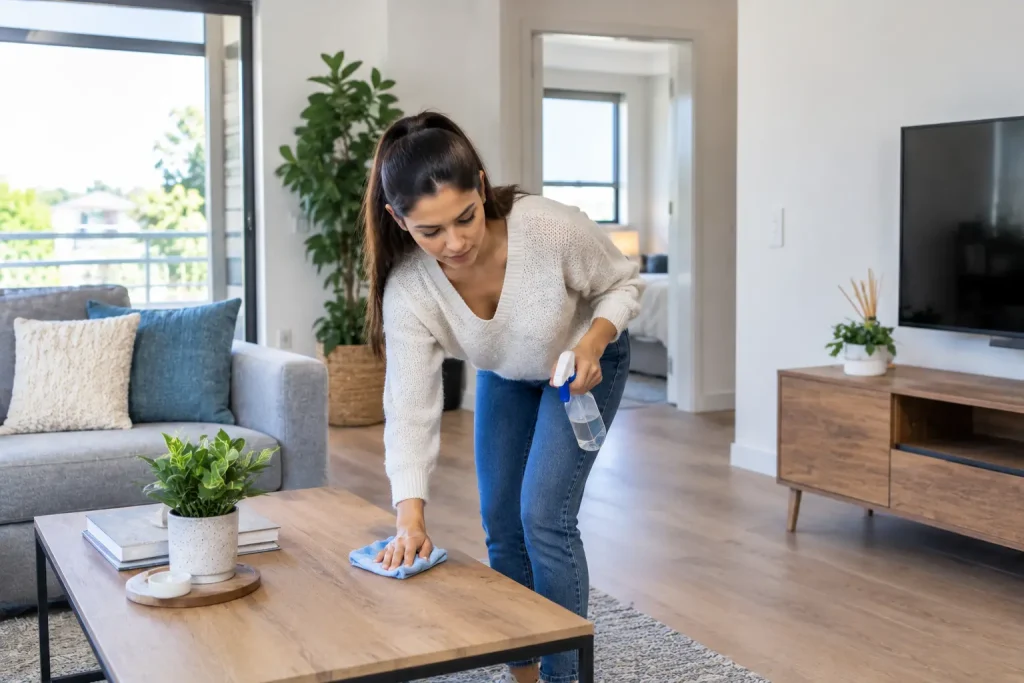
Since it is part of their duties, tenants should take reasonable steps to prevent the development of mould, infestation by pests and other forms of damage which can be avoided. Beyond this, in most cases, if the damage results from the tenant’s actions, pets or visitors, the tenant is the one that will be held accountable. A dripping tap, malfunctioning appliance, broken fixture or any other issue should be reported to the landlord. Non urgent requests for repairs should be made in writing.
Tenant Inspection Checklist
- Clean visible dirt and grime.
- Vacuum carpets and clean suitable hard floors.
- Remove rubbish and excessive clutter.
- Keep kitchens and bathrooms reasonably clean.
- Use ventilation to help prevent mould.
- Take reasonable steps to prevent pest problems.
- Report damage and maintenance issues.
- Keep copies of important communication.
What Landlords Must Do
Licensing authorities and landlords have distinct obligations for which tenant cleaning duties must not be confused. When tenants inform landlords about issues, Perth landlords are usually the ones who have to organize or permit the repair work. An inspection should not be treated as consent to enter whenever you want. Prior to an inspection, a landlord or property manager may view past inspection reports and maintenance requests. This can help prevent the inspection from being about false property issues such as unnecessary cleaning or expectations.
Compare Cleaning And Repairs
You can best understand the tenant vs landlord duties in WA by thinking of it as day-to-day home care versus property maintenance. Generally, tenants are expected to keep up with basic cleaning and to look after simple maintenance tasks. However, landlords must ensure the property is in a good state and carry out repairs. For example, while a tenant would normally have to clean the bathroom, if the water damage was due to a plumber’s failure, it would be the landlord’s responsibility. Same thing a tenant should disinfect and ventilate properly to keep mould from growing. Mould that is the result of a building defect or faulty fitting may be the landlords.
| Issue | Tenant responsibility | Landlord responsibility |
| General cleaning | Yes | No |
| Excessive rubbish | Yes | No |
| Tenant-caused damage | Generally yes | No |
| Normal wear and tear | No | Generally yes |
| Structural problems | Report them | Arrange repairs |
| Faulty fixtures | Report them | Generally maintain them |
| Pest prevention | Reasonable prevention | Depends on cause |
| Mould | Depends on cause | Depends on cause |
The tenancy agreement can also contain specific requirements. These should be checked before assuming who is responsible for a particular issue.
Understand Fair Wear And Tear
A consequence of this is that the reference to fair wear and tear should be retained when considering rental inspections. A home is altered by its own natural wear and tear. Tenants aren’t usually liable for this type of normal wear and tear. They can be liable for damage, though, if they fail to take reasonable care of the property. Such examples as fading paint or normal wear are wear and tear. Tenants should be wary of taking on responsibilities just because of an issue having been noticed on an inspection. And landlords should refrain from automatically assuming that every mark, dent or alteration is tenant damage. The situation and the available evidence are important.
Check The Property Condition Report
The Property Condition Report or PCR is a critical piece of paperwork in a WA tenancy agreement. This is a record of the condition of the property during the tenancy at the relevant points of time. It may help identify either a problem of damage, fair wear and tear or a maintenance issue. It may also be used as supporting evidence should a dispute arise. Before an inspection, tenants are able to check out previous reports to learn about what problems were identified before. Inspection reports can also be a very useful tool for landlords and property managers to keep track of repairs and changes to the property.
Prepare For Inspection Day
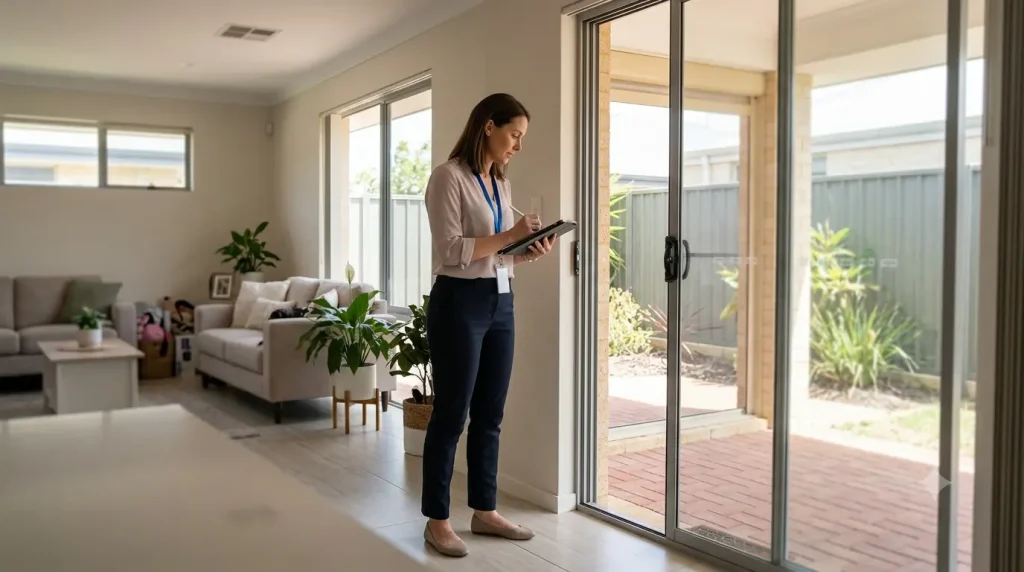
Both sides can get practical about things in the lead-up to the day of inspection. Tenants should be reasonable in cleanliness and access. You don’t need to spend all day making every surface perfect. Begin with ones that are in plain view or are obvious problems. Clean the kitchen and bathroom, take out the trash and or vacuum any floors you can get to. Landlord and property manager you should be familiar with both the inspection notice and the outstanding maintenance request. They should also be fair and the inspection should be objective. It is created to evaluate the state of the home and to determine if there are any surprises in the property.
Handle Problems Fairly
An inspection does not mean a landlord is claiming the tenant has not adhered to their duties. When a problem occurs, first find out what kind of problem it is. A cleaning issue could be the responsibility of the tenant. If the landlord is responsible for the repair and it is needed because of a tenant’s ordinary neglect of the property then it may be up to the tenant to cover the costs. Compare with the current state via the Property Condition Report. Written communications can assist both parties to keep a clear record. If a dispute remains unresolved, parties may obtain information regarding their rights and the processes to resolve disputes from WA Consumer Protection.
Keep Communication And Records
Good records can help make rental inspections more manageable. Tenants everything related to maintenance requests, emails, photos etc. Landlords or Managers should also keep appropriate inspection and remedial action documentation. A problem when recorded in writing may indicate when it was reported and agreed upon that something would be done. They can also help determine if a problem is pre-existing or developing. The same principle holds true for cleaning and damage issues. A dated photo can provide helpful context that a written account might not. A tidy record doesn’t ensure that every difference of opinion will vanish into thin air. But they can make the facts clearer.
Conclusion
Tenant vs landlord duties WA are now understood by everyone, so it means that rental inspections are the easier win-win for tenant and landlord. Essential rental house inspection checklist for renters can also help tenants prepare for an inspection. Tenants are expected to maintain basic hygiene, which is not an exhaustive laundry list of cleaning tasks but basic care and use to stop from creating preventable issues and reporting issues of maintenance. Before an inspection, tenants are able to check out previous reports to learn about what problems were identified before.
Frequently Asked Questions
1. What are tenants responsible for before an inspection?
Tenants should keep the property reasonably clean and tidy, prevent avoidable problems and report damage or maintenance issues promptly.
2. What are landlords responsible for?
Landlords must keep the rental in a reasonable state of repair and meet applicable building, health and safety requirements.
3. How much notice is needed for a WA inspection?
Routine inspections require seven to 14 days’ written notice and can occur no more than four times in 12 months.
4. Who pays for damage during a tenancy?
It depends on the cause. Tenants can be responsible for damage they, their pets or visitors cause while normal wear and tear is generally not the tenant’s responsibility.