Rental House Inspection Checklist for Australian Renters
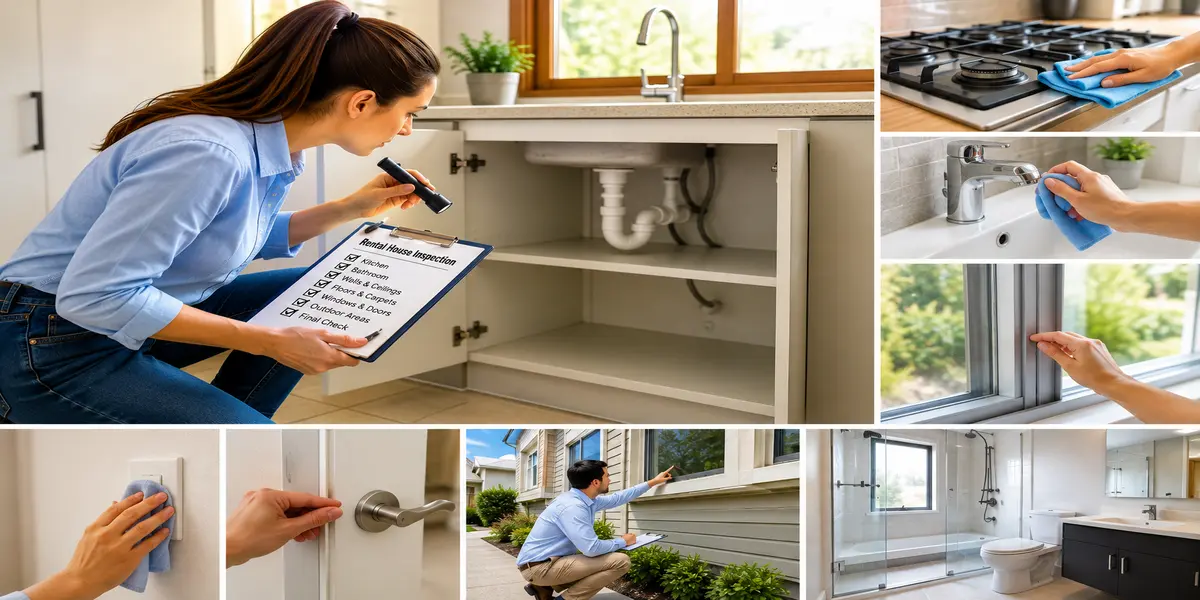
Moving in or out of a rental can be exciting but inspections are an essential tenancy process. A comprehensive rental home inspection checklist also helps renters catch cleaning issues, pre-existing damage and maintenance issues before they evolve into costly problems. If you’re getting ready for an entry inspection or a final walk through before signing off on a rental having a checklist can help you save time and reduce stress. With this in mind, we’re going to share some key areas every tenant should check in any property to help ensure a smooth stay and hopefully prevent disagreements with landlords or property managers around the land down under.
Table of Contents
Inspect Kitchen Condition
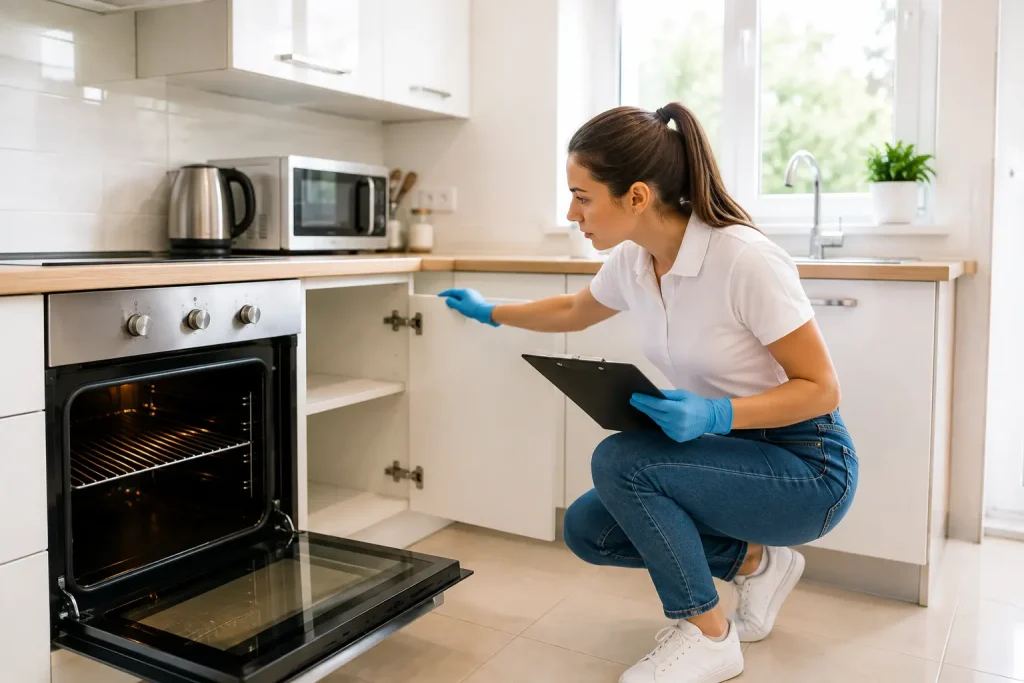
The kitchen will most of course draw the most attention to the inspector because it is regularly used and is very easily messy and greasy in the short space of time. The examination of various kitchen facilities needs to be done with the primary focus on cleaning but also on detecting any wear and tear on the surface Apart from such facilities as the oven and hot plate hoods, microwave sink splashes, cabinets drawers and benchtop.
The entire cabinets should be opened as well and then the inspector must go through the shelves for any gathering of the dust, the crumbs or the indication of the presence of the air moisture. After this part of your rental home inspection checklist to prevent disagreements about the condition of the kitchen later on.
| Kitchen Area | What to Check | Why It Matters |
| Oven | Grease and burnt residue | Prevents inspection issues |
| Sink | Leaks and water stains | Confirms good condition |
| Cupboards | Dust and damage | Shows proper maintenance |
| Benchtops | Scratches and stains | Improves presentation |
| Appliances | Working condition | Avoids future disputes |
Check Bathroom Cleanliness
Bathrooms are generally one of the areas of the home checked during inspections. Getting points off for anything related would be a real blemish mostly if there are signs of mould, soap scum and water stains around the place. Get a closer look of your bathroom, check the showers, the taps mirrors the toilets basins, the bats and tiles that are cleaned up and looking neat.
Check if there is no mould caused on the silicone corners or edges of the sanitary ware and drains are not blocked. That way, it would be clear and you won’t be wrongly charged for these problems. A clean, dirty-free and well-maintained bathroom is an integral part of a good rental home inspection checklist for Australian renters.
Examine Walls And Ceilings
You should be watching for cracks, dent, bulges, paint, plaster or any other stains or imperfections on the walls and ceilings. Also check the corners for cobwebs and the ceilings for water stains which can indicate a leak. To spot dust and grime, you need to look at areas like baseboards, door casings, switches and outlets. Be sure to photograph any damage you discover before moving in and report it to your landlord. This way, you will have a good record of property conditions. When it comes to disagreement about damages at the time of your moving-out, you could use this photograph and the checklist as evidence that your rental property was in this condition when you took possession of it.
Review Floors And Carpets
Floors can affect the appearance of a rental and should always be viewed. Turn on the vacuum cleaner on the carpet and check whether it discloses any old dirt. In addition, ensure that the surface is not marked with rips, burns or pet stains. Scratches and chips can be signs of wear and tear but they shouldn’t be a problem at a new place. If carpet is heavily soiled, they can be professionally cleaned if vacuuming before departure has not achieved the desired results.
Most Australian landlords are happy with professionally cleaned floors as it enables better presentation at inspections. For heavily soiled carpets, carpet cleaning brisbane services can help remove stubborn stains and refresh the carpet before the final rental inspection. Having flooring as part of your rental home inspection list ensures that you won’t be caught up in a cleaning battle.
| Floor Type | Inspection Point | Suggested Action |
| Carpet | Stains and odours | Arrange carpet cleaning if required |
| Timber | Scratches | Report existing damage |
| Tiles | Cracks and grout | Clean and inspect thoroughly |
| Vinyl | Lifting edges | Notify property manager |
Inspect Windows And Doors
When inspecting a building for occupancy, the windows and doors must open,close or lock in an easy, fluid way. The glass should be tested for any cracks, scratches and should not be fingerprinted. Also the dirt accumulated behind window sashes should be checked plus small bugs’ debris and dust. Test the lock handle sliding doors, flyscreens and security screens. Check blinds and drapes for stains or damage before note any problems. Clean windows contribute to letting more natural light into the home and make the property look good on inspections. The following items to your check list for the inspection of your rental home to better ensure that significant maintenance issues are caught before they get too large.
Check Outdoor Areas
Outdoor areas of a property are an often-overlooked aspect yet a major part of rental inspections. That means ensure that you don’t leave them out. You have to take a walk through places like gardens, patios, balconies, garage driveway fences and pathways to discover any repair or damage that might be going on or the maintenance work that you might be required to do. If you are going to move out dust leaves and other debris should clear before inspecting. So adding a check of the exterior areas to your home inspection checklist is the ultimate sign of a loving tenant who cares about the room they inhabit and acts like it.
Complete Final Inspection
Before you submit your condition report or return your keys do one last walkthrough of the entire property. A walk around the whole property would take time and during that time you have to make a comparison if you have a property report. Once again turn the lights on, test each appliance, taps check all doors and windows one by one. The smoke alarm should also be tested. Check that all the rooms are clean, rubbish disposed of and cupboards are empty. Take clear photographs for your records when you are done. To avoid disputes if there should be any after the inspection one of the best weapons you have is to carry out an rental house inspection checklist of items.
Conclusion
By using a rental home inspection checklist, tenants will be in a good position to protect their interests at different stages of the rental period for instance, the move-in, move-out and periodic inspections. A thorough inspection of kitchens, bathrooms, walls, floors, windows etc. plus a final walk-through can minimize the risk of renters getting blamed for damages or cleaning charges in the future. Even with regular vacuuming, some dirt can remain deep within carpet fibres; why vacuuming alone does not fully clean carpet explains why this can happen. With good planning, maintaining accurate records and regular maintenance, rental inspections are easily done and that would make for a much more pleasing experience for all parties involved.
FAQs
1. Why is a rental house inspection checklist important?
It helps record the property’s condition and reduces the risk of disputes over cleaning or damage.
2. Should I arrange carpet cleaning before moving out?
If carpets are stained or your lease requires it, carpet cleaning is recommended before the final inspection.
3. What should I photograph during an inspection?
Take photos of every room, existing damage, appliances, walls, floors and outdoor areas for future reference.
4. How often are rental inspections conducted in Australia?
Routine inspections are usually carried out every few months depending on your tenancy agreement and state regulations.