

Key Takeaways
- Weather can affect drying times, cleaning products and the final appearance of a rental property.
- Humidity may slow drying and increase the risk of damp smells.
- Hot weather can make some cleaning solutions dry too quickly.
- Rain can affect windows, outdoor areas, carpets and pressure cleaning.
- Cooler weather may require more time for floors and surfaces to dry.
- Plan cleaning around the forecast whenever possible.
- Good ventilation can improve drying and reduce moisture after cleaning.
- Always allow enough time for a final inspection and touch-ups.
Before the final inspection when leaving a rental home, it’s essential to carry out a deep clean. However, seasonal weather can create extra challenges when preparing your property for inspection. Changes in temperature, rain, dust, and humidity can affect how easily you clean your home, dry surfaces, and maintain proper ventilation. For tenants planning bond cleaning in Perth, understanding these seasonal factors can help make the cleaning process more manageable. In this blog, we will discuss common seasonal cleaning challenges, practical solutions, and ways to achieve better results throughout the year.
Table of Contents
Why Weather Affects Cleaning Results
The weather affects many parts of the cleaning process. Temperature, humidity and precipitation will affect the speed of drying of a wet surface. And they could have quite a big role to play in how a given floor cleaner works on different kinds of flooring. Like humidity, which may not only raise the moisture levels in the atmosphere but can actually leave your floors damp for quite a while after cleaning. Weather permitting, it’s a good thing that one can clean their deck or yard without having the fear of it being destroyed. This also means you don’t have to make a bunch of last minute fixes before the inspection.
Summer Heat Creates Cleaning Challenges
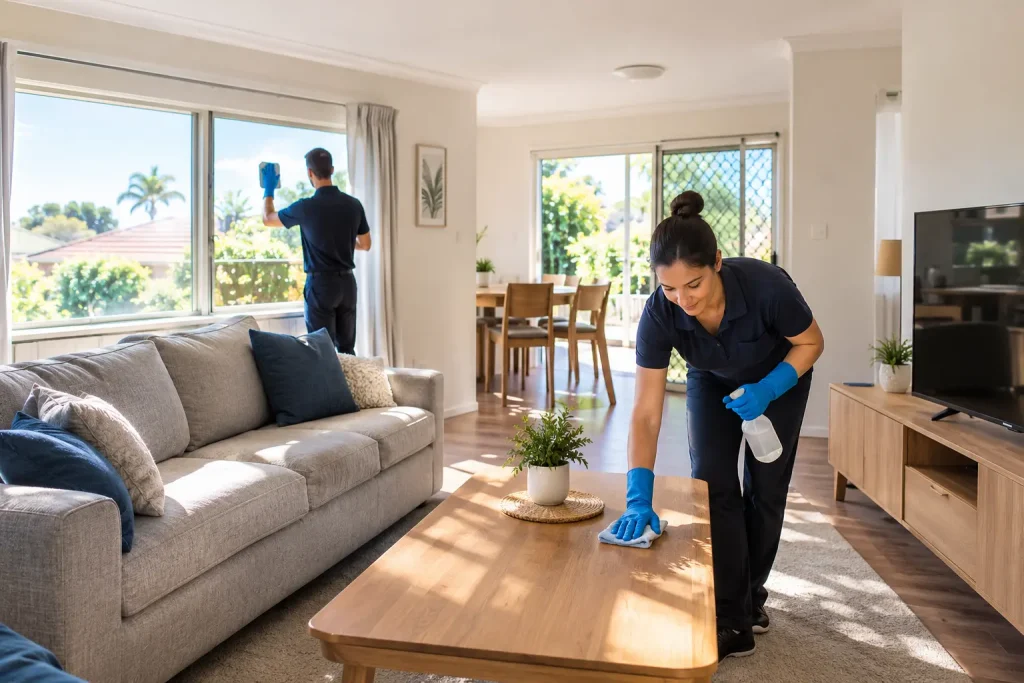
Australian summers are a time of warmth and bright light. These should be the perfect conditions for washing, since things can dry fast. But heat is too much of a good thing in some ways. Some cleaning agents can dry up before you are done cleaning your surface. Blood moisture content being reduced is not the sole reason why mustiness occurs in damp areas. When dealing with patios and other areas outside, it’s best to check how the surface reacts before you actually apply your cleaning mix. When it comes to hot enough surfaces, cleaning agents may dry up so fast that they do not do their thing.
Humidity Slows Down Surface Drying
The customer’s satisfaction not only relies on thoroughness in cleaning but also how well the humidity was controlled during the cleaning. The reason the air is dry and the surface can’t get dry is that there is extra moisture in the air. The places that usually have this issue are bathrooms, kitchens and other areas that don’t get much ventilation. Damped down floors can also hold footprints after they’ve been cleaned. Humidity after the cleaning is another factor that may contribute to the development of mustiness in the damp places. After the main cleaning, you must ensure that all the carpets, area rugs and other such washable goods have been absolutely dried before doing the final inspection.
Rain Can Undo Outdoor Cleaning
Rain can be a challenge for outdoor cleaning projects. Patios, driveways, and paths can become soaked after even a light drizzle, potentially undoing your cleaning efforts. Whenever possible, schedule exterior cleaning in Perth during a period when dry weather is expected to last. This is particularly useful for pressure cleaning and larger outdoor cleaning jobs. Windows can also be affected by rain. Cleaning glass just before a shower may leave fresh water spots and marks, so waiting for a dry period can help you achieve a cleaner finish.
| Weather condition | Possible impact | Practical solution |
| Hot weather | Products dry quickly | Clean smaller sections |
| High humidity | Surfaces dry slowly | Improve ventilation |
| Rain | Outdoor areas become dirty | Check the forecast |
| Cold weather | Longer drying times | Allow extra drying time |
| Strong wind | Dust settles on surfaces | Clean sheltered areas first |
Brush away leaves and other dirt with a dry one on your balcony or your patio and then do the wet scrubbing. When everything is dry, take a glance at the area.
Winter Requires Longer Drying
As evaporation slows, winter cleaning gets stretched out. Wet floors and window spaces need extra drying. It can be a really big problem for homes with very little sunlight exposure to the outdoor elements. Without good ventilation both the bathroom and laundry room will remain damp. In very cold weather, proper ventilation may help you avoid getting a draft and the house becoming extremely cold and unpleasant in winter. An exhaust fan could be used to lower the level of humidity in the bathroom and kitchen. Don’t speed up the drying. It should be noted that walking on wet floors can leave footsteps which means you have to clean again.
Spring Brings Dust And Allergens
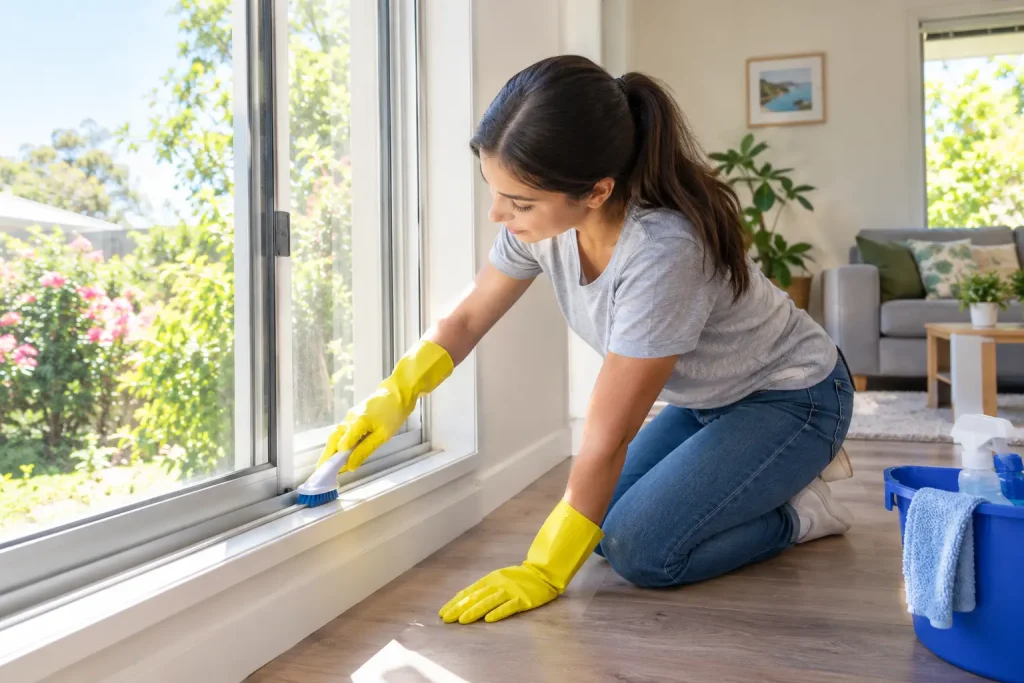
Springtime indicates rising temperatures and more activity outside of the homes. Though spring is often accompanied by an increase in dust, pollen and other suspended particles that come in from outside to your living premises. These particles can also rest on windowsails, blinds, baseboards and inside vents. If you keep windows open for a long time, they might even be visible right after you clean them. Before your final floor cleaning. Start at the top and work down. The reason is to make sure that dust does not fall on areas which have already been cleaned. Pay particular attention to window tracks and flyscreens. These areas can accumulate outdoor dirt and pollen in the summer months.
Autumn Helps With Better Planning
Autumn frequently brings a cooler climate than summer. This can allow for the comfortable cleaning conditions. Just the same weather changes in the planning are still necessary. Cool mornings may slow drying. Rain may be of concern, depending on the region. Always check the weather before you plan your outside jobs. Autumn is a good time of year in which to do a thorough cleaning indoors. Work your way through cupboards, wardrobes, ceiling fans, windows and other neglected places. Do your dry cleaning before wet cleaning where possible. You can do dusting, vacuuming and cobweb removal ahead of time. Floors and bathrooms should then be cleaned just prior to the walk-through.
Plan Cleaning Around The Forecast
A check of the weather forecast prior to bond cleaning will avoid having to do work twice. You don’t have to have perfect weather for every item on the list. Instead, assign specific tasks to specific weather conditions. Clean windows on a dry day. Plan outdoor power washing when rain is not in the forecast. Do all indoor dusting prior to opening windows for long periods. Wet floors please wait for the floor to dry before you walk on it. One clean shoe for final check. This prevents new dings from showing up.
| Cleaning task | Best conditions | Why it helps |
| Window cleaning | Dry, mild weather | Reduces water spots |
| Outdoor cleaning | Dry forecast | Prevents immediate re-soiling |
| Carpet cleaning | Low humidity | Supports faster drying |
| Bathroom cleaning | Good ventilation | Reduces moisture |
| Floor mopping | Moderate temperature | Allows even drying |
If there is a sudden weather change, give priority to indoor locations. You may resume outdoor cleaning when conditions permit.
Improve Results With Ventilation
If it is dry outside, vent bathrooms, kitchens and other rooms as much as possible as the air circulation will help the drying out process. When cleaning bathrooms and kitchens, use exhaust fans. Do not depend on ventilation when it is raining hard or very humid. Fans can also do the trick of helping the area get more air mostly when needed, still remember to position your fan securely and away from water. The main points to look at here are the floor and the surrounding area of the shower and also the kitchen countertop area where water is often spilled or left standing. Allow extra drying time in these areas before the final inspection.
Conclusion
The weather can affect the quality and timing of a bond clean. Heat, humidity, rain, and cold weather all create different cleaning challenges. Understanding how seasonal weather affects bond cleaning helps tenants make informed decisions about cleaning times and avoid unnecessary duplication of effort. It is also important to understand tenant vs landlord obligations before a rental inspection so you know which cleaning and maintenance responsibilities apply to you. Schedule outdoor work for dry days and detailed indoor cleaning for rainy days. With the right preparation, you can achieve better cleaning results and leave the rental home ready for the final inspection.
Frequently Asked Questions
1. Does weather affect bond cleaning?
Yes, temperature, humidity, rain and ventilation can affect drying times and cleaning results.
2. Is summer good for bond cleaning?
Summer can provide faster drying but excessive heat may cause cleaning products to dry too quickly.
3. How does rain affect bond cleaning?
Rain can make outdoor areas dirty again and create water marks on freshly cleaned windows.
4. How can I improve drying times?
Improve ventilation, use suitable airflow and allow sufficient time before walking across freshly cleaned surfaces.